
Use the drop-down summary to access the articles in the folder.

Terms of republication
You can republish this article for free on your website, blog, etc.
All hands on deck in the fight against ticks
Behind the scenes of research
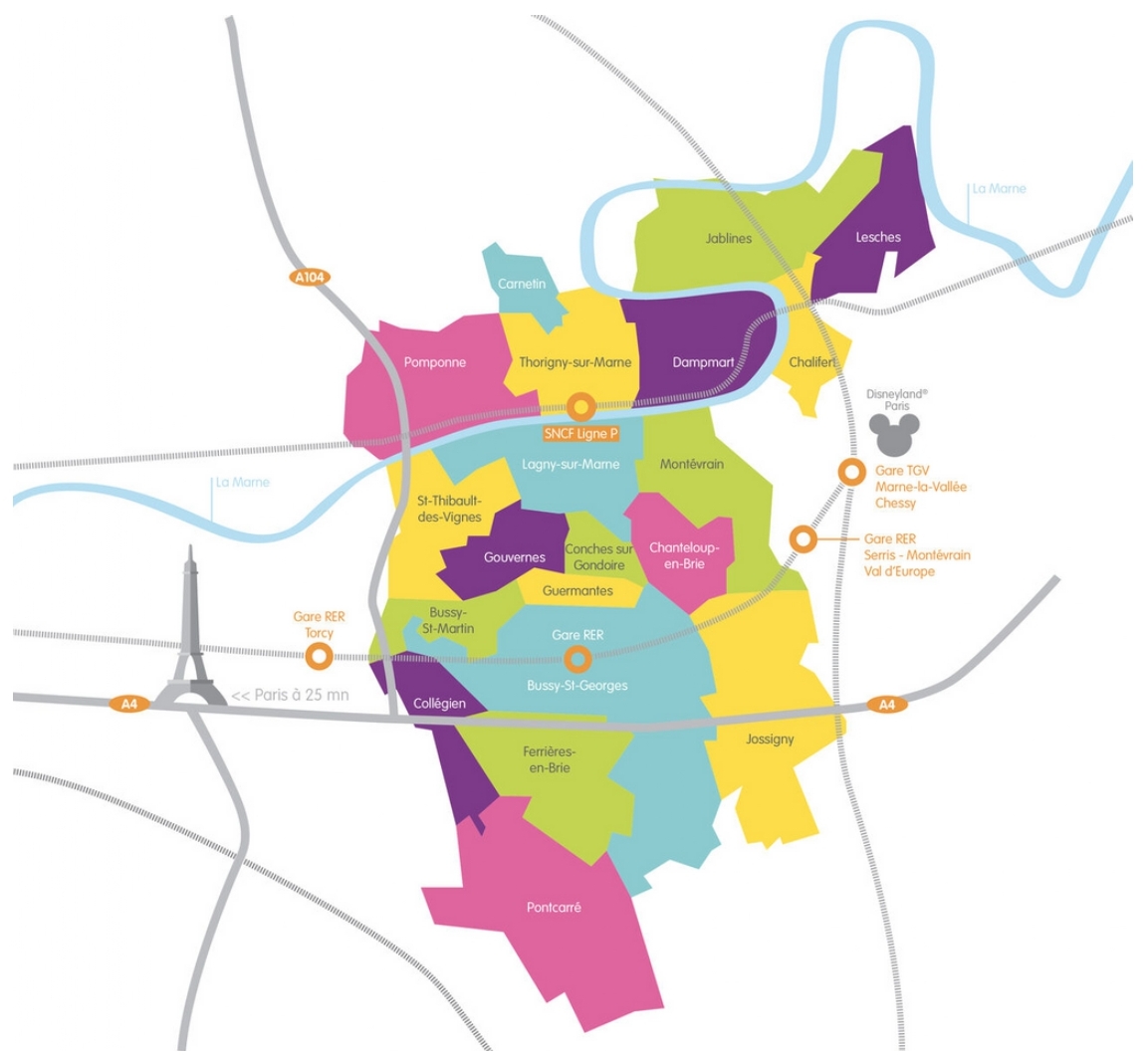
The Sotique project is a full-scale experiment, part of a series of regional health management initiatives. Through data collection at three sites in the Marne-et-Gondoire Urban Community, the researchers are working hand-in-hand with public stakeholders and local residents.
A few facts about ticks
Ixodes ricinus is the most common tick in France. It is found throughout most of the country, except in the Mediterranean region where the climate is too dry, but favourable to other tick species, notably Hyalomma marginatum, which can transmit the virus for Crimean-Congo hemorrhagic fever.
The activity of the I. ricinus tick follows a seasonal cycle. It is very active in spring, and when weather conditions are suitable, activity picks up again in autumn. As a result of climate change, this seasonality is becoming less marked: ticks are still active in winter and found at higher altitudes than before.
A range of disciplines are involved in the project, including ecology, geomatics, human and social sciences, and statistics.
To define the risk on a regional scale, the SOTIQUE project has focused on three criteria. With regard to the abundance of ticks, LISIS (Interdisciplinary Laboratory of Sciences, Innovations and Societies) takes samples by collecting ticks at three sites in Marne-et-Gondoire. Laboratory analyses are currently underway to identify the pathogens present in the ticks collected. In France, it is estimated that an average of 15% of ticks carry the pathogen for Lyme disease, although this figure varies from region to region.
LASTIG (Geographic Information Science and Technology Laboratory) has focused on how people use the area. A method has been developed to automate video recording of visitors. These images are then analysed by artificial intelligence algorithms. The aim is to find out how users use the area in order to characterise the space and define who does what, how and where.
To understand public vulnerability, questionnaires are distributed to various users: parents of schoolchildren, hikers, dog walkers, etc.
The Gouverne Town Hall and Marne et Gondoire Tourist Office played a major role in the project roll-out. After the project was presented to them, each public stakeholder discussed it with their partners (school directors, associations, educational advisers from the education inspectorate, etc.), which made it possible to distribute the questionnaires during awareness-raising workshops in schools or at sporting and/or cultural events. “We're doing things we hadn't even imagined at the outset,” says Séverine Bord, a research engineer in statistical studies at LISIS (Interdisciplinary Laboratory of Sciences, Innovations and Societies).
Risk modelling
With this complex and heterogeneous data, coming from different sources, defined at different spatial and temporal scales, LAMA (Laboratory of Analysis and Applied Mathematics) faces a methodological challenge. The aim is to develop a model of this data in order to statistically characterise the risk of tick bites.
The methodology developed in the project and the results obtained will make it possible to propose a proof of concept for risk assessment that can be replicated in other geographical and even epidemiological contexts.
